There are very few injuries more painful and serious than burn injuries. When they are severe, they are often fatal and those who survive have a long, excruciating, and expensive road to recovery.
This type of injury often occurs when a victim comes into contact with flame, corrosive chemicals, hot objects, scalding fluids, radiation, or electricity. While they can sometimes be caused by unawareness on the victim’s part, many burns are due to the negligence of some other party. Victims are often left with physical and psychological scars requiring hospitalization and years of doctor’s visits and physical therapy. This can disrupt their work, home, and family life and cause significant financial problems for years to come.

According to The American Burn Association National Burn Repository, in 2011 burn injuries receiving medical treatment totaled 450,000, including 3,500 burn deaths from residential fires and 500 from other sources, such as vehicle crashes, electrical burns, or contact with chemicals. Many of these cases are instigated by some party other than the victim, thus giving the victim a good chance at being able to take their case to court and receive compensation.


Our goal is clear - to help our clients recover the maximum damages possible for their accident injury claim from the responsible parties.

Every year, thousands of people are involved in car accidents…
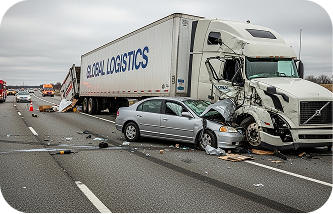
Driving is part of our everyday lives. In Tucson, we’re blessed with…

Motorcycle accidents can happen to anyone, no matter how experienced…
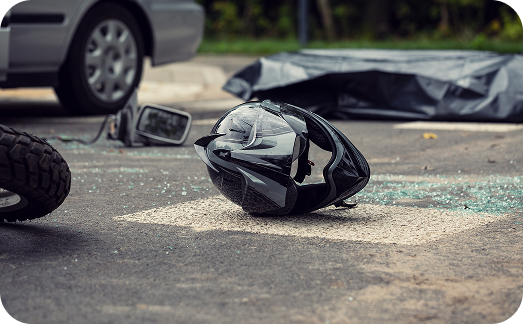
Any experienced cyclist knows that the main