Navigating the Emotional Impact of Personal Injury
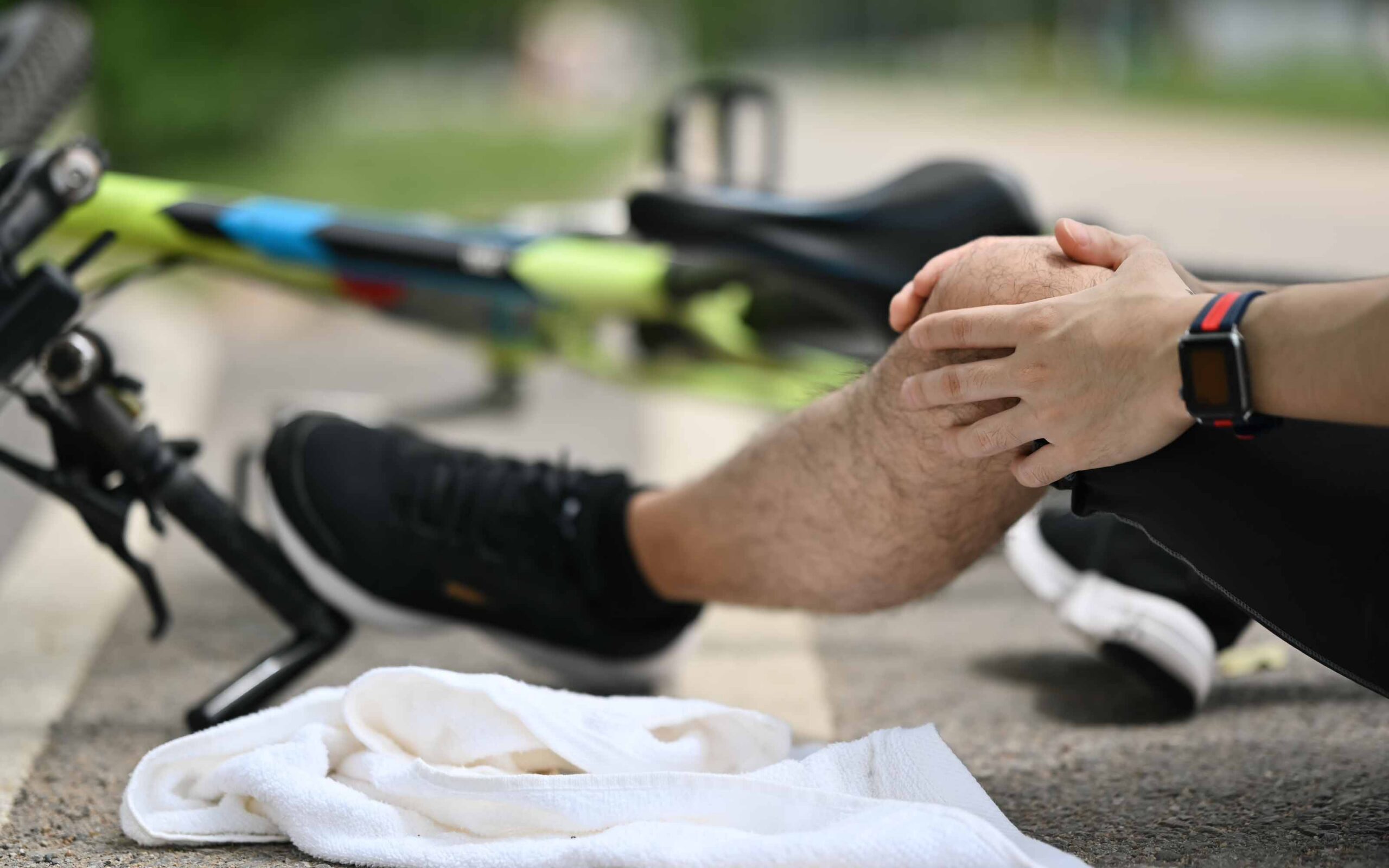
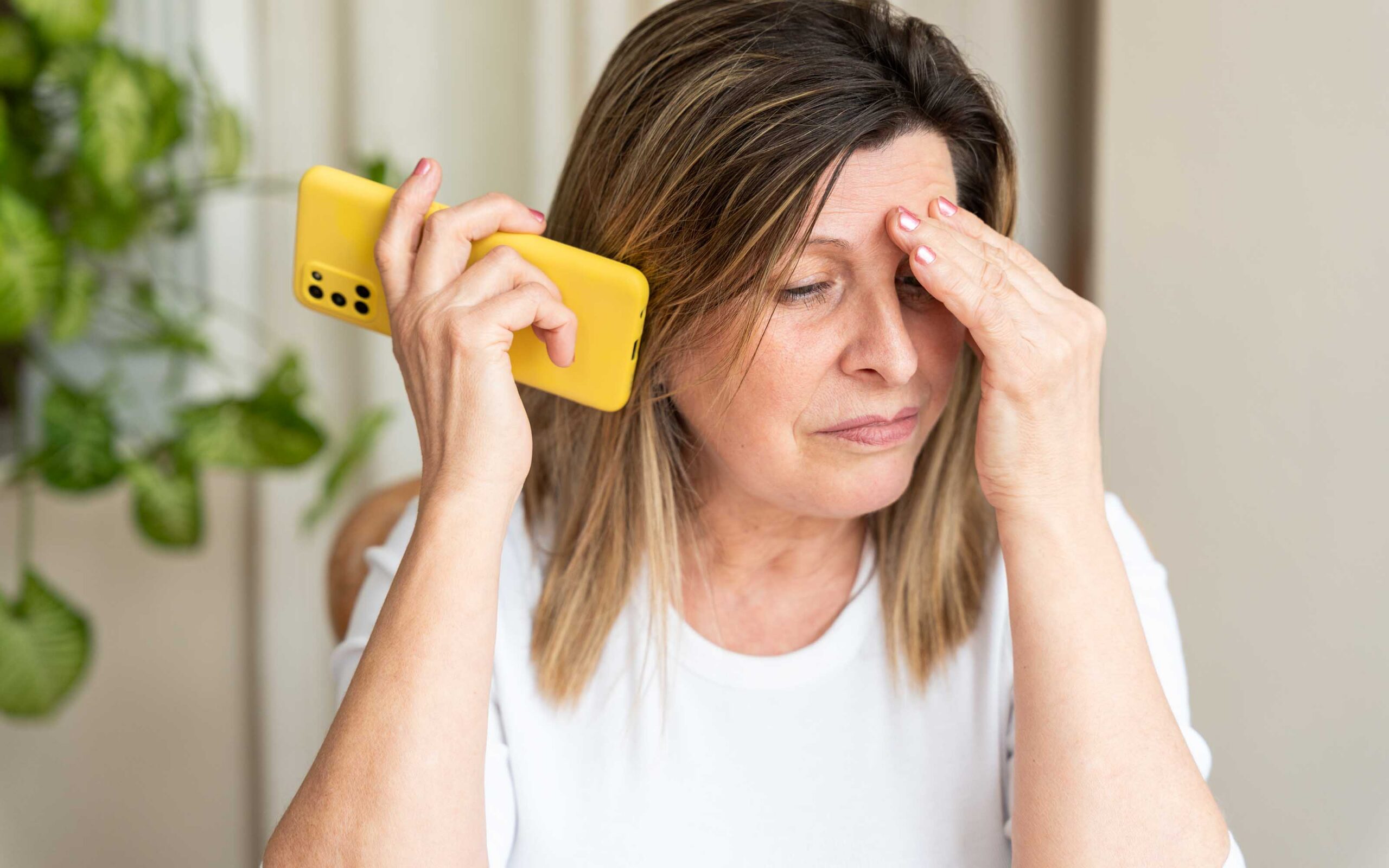
Personal injury can shake us to our core, leaving not just physical scars but emotional wounds as well. The journey to recovery is often fraught with challenges, not the least of which is coping with the rollercoaster of emotions that come with it. Understanding and addressing the emotional impact of personal injury is crucial for a holistic recovery. Here, we delve into the psychological effects of being injured and offer practical strategies for navigating this emotional terrain.
Eight strategies for navigating the emotional impact of personal injury are:
Acknowledge Your Feelings
It’s normal to feel a range of emotions after experiencing a personal injury, including anger, sadness, frustration, and even fear. Acknowledging and accepting these feelings is the first step toward healing. Don’t try to suppress or ignore them; instead, allow yourself to feel them fully.
Seek Support
You don’t have to go through this alone. Reach out to friends, family members, or a support group who can provide comfort, understanding, and encouragement. Talking about your feelings can help alleviate some of the emotional burden you may be carrying.
Stay Informed
Knowledge is power. Educate yourself about your injury, treatment options, and recovery process. Understanding what to expect can help reduce anxiety and uncertainty. Don’t hesitate to ask questions and seek clarification from your healthcare provider or legal representative.
Practice Self-Care
Taking care of your physical and emotional well-being is paramount during this time. Make self-care a priority by eating nutritious meals, getting enough rest, and engaging in activities that bring you joy and relaxation. Consider incorporating mindfulness or relaxation techniques, such as deep breathing or meditation, into your daily routine.
Set Realistic Goals
Recovery from a personal injury is a gradual process, and it’s important to set realistic expectations for yourself. Break down your goals into smaller, achievable steps, and celebrate your progress along the way. Be patient with yourself and recognize that healing takes time.
Focus on What You Can Control
It’s easy to dwell on the things you can’t do or the circumstances that led to your injury. Instead, shift your focus to what you can control. Take proactive steps to advocate for your needs, whether it’s seeking additional medical treatment or pursuing legal recourse.
Practice Positive Thinking
Cultivating a positive mindset can help foster resilience in the face of adversity. Challenge negative thoughts and replace them with more constructive and optimistic ones. Surround yourself with positivity and affirmations that reinforce your ability to overcome challenges.
Seek Professional Help if Needed
If you find that your emotional distress is overwhelming or interfering with your daily life, don’t hesitate to seek professional help. A therapist or counselor can provide valuable support and guidance as you navigate the emotional impact of your injury.
Choose Grabb & Durando: Your Trusted Partners in Personal Injury Recovery
At Grabb & Durando, we understand that the aftermath of a personal injury extends beyond just physical pain — it involves navigating complex emotions and uncertainties. With our compassionate approach and extensive legal expertise, we’re here to support you every step of the way. Don’t face this challenging time alone — let Grabb & Durando be your trusted partners in your journey toward healing and justice.