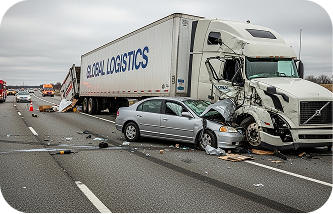
Common Causes of Semi-Truck Accidents
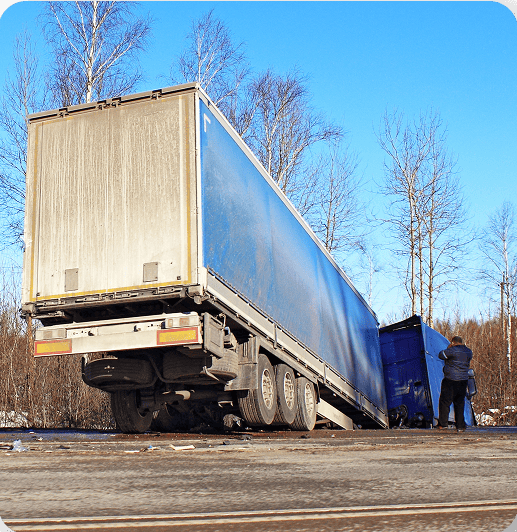
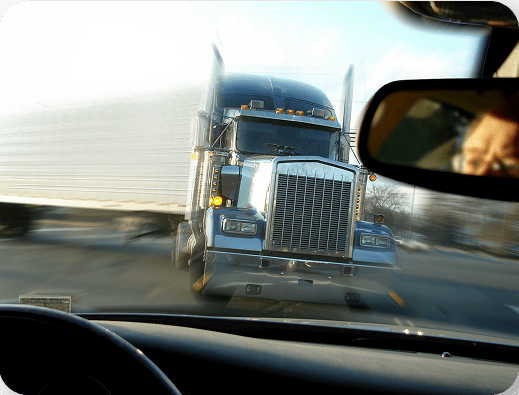
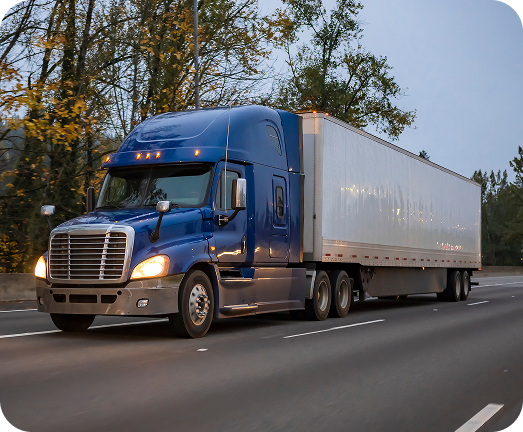
Semi-truck accidents can occur due to a variety of factors, many of which are unique to the trucking industry. Common causes include driver fatigue, improper loading, and mechanical failures, which can significantly impair a truck's performance on the road.
For instance, a study by the Federal Motor Carrier Safety Administration (FMCSA) indicates that nearly 13% of large truck accidents are due to driver fatigue, while improper maintenance accounts for another significant portion. Understanding these causes is crucial for victims seeking legal recourse, as it can directly impact liability and compensation claims.
The Role of Insurance in Semi-Truck Accident Claims
Insurance plays a pivotal role in the aftermath of semi-truck accidents, influencing both the claims process and the compensation victims may receive. Trucking companies are required to carry higher liability insurance due to the potential severity of accidents involving large vehicles.
Victims should be aware that navigating insurance claims can be complex, as multiple parties may be involved, including the truck driver, the trucking company, and potentially third-party insurers. Engaging a knowledgeable attorney can help ensure that victims receive fair compensation for medical expenses, lost wages, and other damages.
Steps to Take After a Semi-Truck Accident
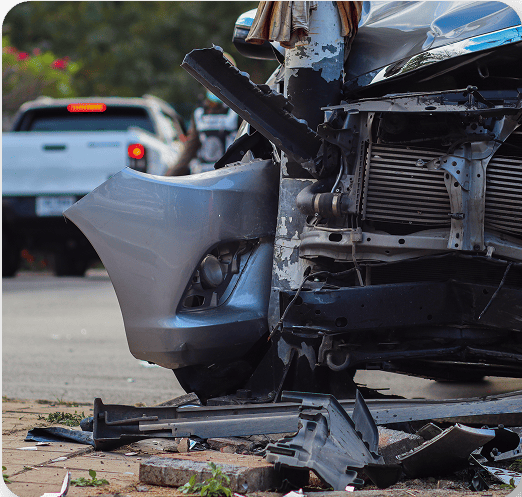
Immediately following a semi-truck accident, it is essential for victims to take specific steps to protect their rights and ensure their safety. This includes seeking medical attention, documenting the scene, and gathering evidence such as photographs and witness statements.
Additionally, victims should avoid speaking to insurance adjusters without legal representation, as statements made can be used against them later. Consulting with a personal injury attorney can help victims navigate the complexities of their case and secure the necessary evidence for a strong claim.
Understanding Liability in Semi-Truck Accidents
Determining liability in semi-truck accidents can be complicated due to the multiple parties involved, including the driver, the trucking company, and even manufacturers of truck parts. Each party may bear some level of responsibility depending on the circumstances surrounding the accident.
For example, if a truck's brakes failed due to a manufacturing defect, the manufacturer could be held liable alongside the driver for any negligence. Understanding these nuances is critical for victims as it affects their ability to pursue claims against the correct parties and secure appropriate compensation.