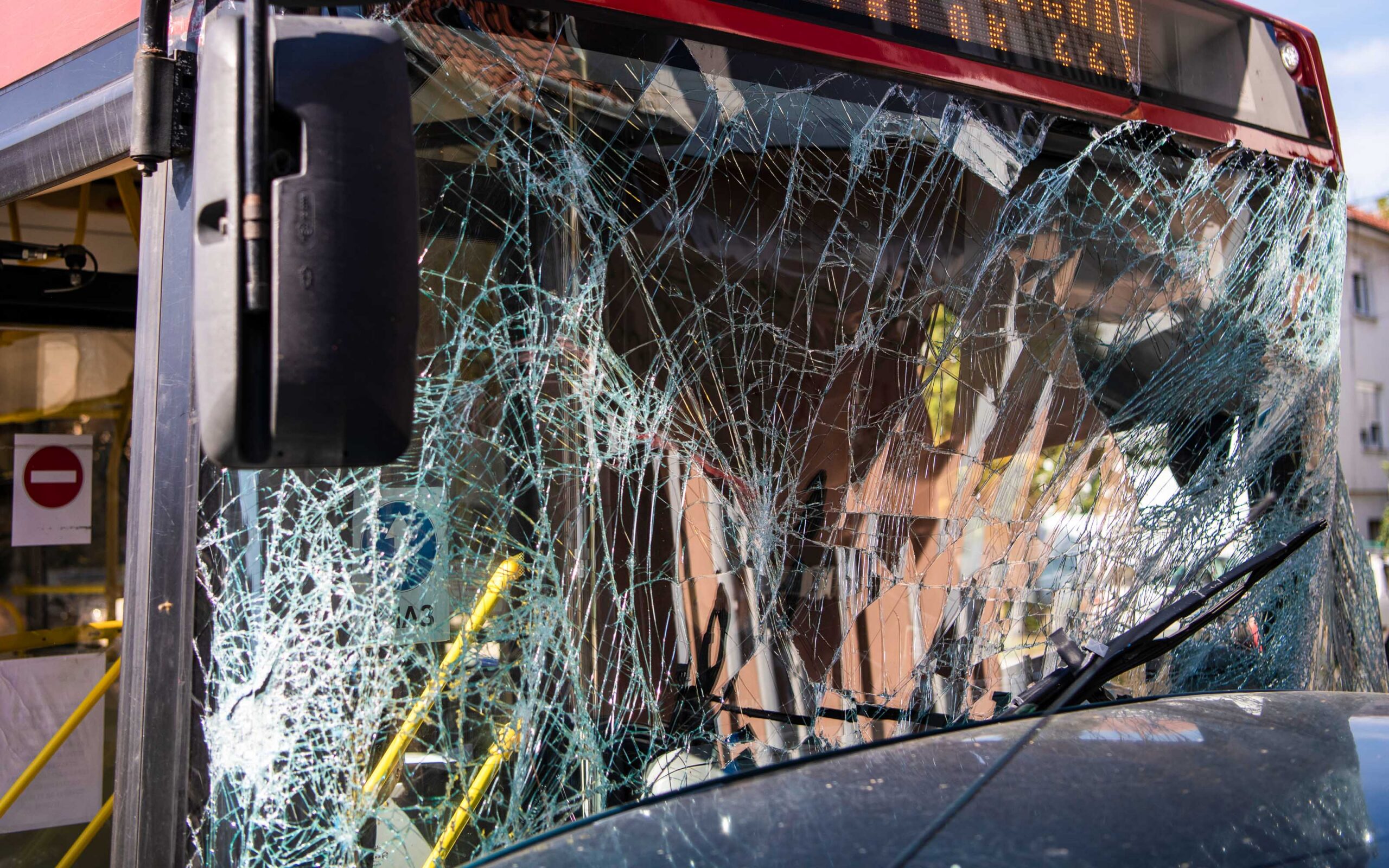
When a city vehicle, public bus, or dangerous road condition causes a crash in Arizona, the claim follows special rules. Under A.R.S. § 12-821.01, a notice of claim in Arizona generally must be filed within 180 days after the claim accrues. A lawsuit against a public entity or public employee generally must be filed within one year (A.R.S. § 12-821).
Those deadlines are much shorter than the ones for an ordinary car accident claim, and they can apply whether the crash involved a government-owned vehicle, a pothole, or a missing traffic sign. If the collision happened in Tucson, figuring out which agency is involved and meeting the notice requirements are two of the first things to sort out.
What Is a Notice of Claim in Arizona?
A notice of claim in Arizona is a formal written claim filed with a public entity or public employee before certain lawsuits can go forward. A.R.S. § 12-821.01 creates the requirement and spells out what the notice must contain. The one-year lawsuit deadline is in A.R.S. § 12-821.
It isn’t the same as reporting a crash. Calling the police, contacting a city office, or opening an insurance claim generally does not satisfy the statute.
Say a city-operated vehicle runs a light and hits your car at a Tucson intersection. You may need to file a notice of claim with the city and, depending on the facts, a separate notice with the employee who was driving. The same requirement can apply when a road condition maintained by a public agency contributes to a crash.
How Long Do You Have to File a Notice of Claim in Arizona?
Arizona sets two separate deadlines for personal injury claims after an accident with a government vehicle or another crash involving a public entity or public employee:
- 180 days to file a notice of claim: Under A.R.S. § 12-821.01, the notice generally must be filed within 180 days after the cause of action accrues.
- One year to file a lawsuit: Under A.R.S. § 12-821, a lawsuit against a public entity or public employee generally must be filed within one year after the cause of action accrues.
A claim generally accrues when the person realizes, or reasonably should realize, that they have been injured and that the injury may have been caused by the conduct of another party. The exact accrual date depends on the circumstances.
Why Do Both Deadlines Matter?
The two deadlines do different jobs. Filing the notice doesn’t start a lawsuit, and it doesn’t extend the time to sue.
After a crash with a government vehicle in Tucson, a person may need to deliver a legally sufficient notice within 180 days and then file any lawsuit within one year. Waiting for the agency or its insurer to finish an investigation can put both deadlines at risk.
How Is This Different From a Regular Car Accident Claim?
Most Arizona personal injury lawsuits between private parties carry a two-year statute of limitations under A.R.S. § 12-542. Claims against public entities and employees have the 180-day notice requirement and the one-year lawsuit deadline instead. That’s why it matters early on whether a government agency or employee is involved at all.
Who Counts as a Public Entity in Arizona?
A public entity is a government body covered by Arizona’s notice of claim rules. That can include state agencies, counties, cities, and other qualifying public organizations. Public employees can also be covered.
In Tucson and the rest of Pima County, the agencies that come up most often include:
- City of Tucson: City vehicles, city employees acting within the scope of their jobs, and roads or traffic signals the city maintains.
- Pima County: County vehicles, county employees, and county-maintained roads.
- Arizona Department of Transportation (ADOT): State highways and their maintenance.
- Public transit: A crash involving a Sun Tran bus may require identifying the bus operator, the driver’s employer, and any public entity that may have legal responsibility.
A government vehicle doesn’t automatically mean the government is liable. A pothole on a public road doesn’t automatically make the city, county, or state responsible either. Someone has to establish who owned or controlled the vehicle, who employed the driver, and which agency maintained the road.
Private contractors sometimes operate public transit or handle road work. Whether government claim rules apply to them depends on the contract and the facts.
What Road Hazards Can Lead to a Claim Against the Government?
A road defect claim generally alleges that a public entity failed to maintain a road or failed to fix a known hazard. Examples of conditions that can contribute to a crash include:
- Deep potholes that cause a driver to swerve or lose control
- Missing or blocked stop signs and warning signs
- Broken pavement, uneven surfaces, or dangerous drop-offs at the road edge
- Poorly marked construction zones
- Damaged guardrails or barriers
Picture a Tucson driver at night approaching an intersection where a warning sign has been missing for weeks. If a crash follows, the investigation will look at who was responsible for the sign, how long it was gone, and whether the agency knew or should have known.
A road defect alone doesn’t prove negligence. The agency’s legal duties, its knowledge of the hazard, available defenses, and the link between the condition and the crash all matter.
How Do You Find Out Which Agency Maintained the Road?
The crash location is only a starting point. A road inside Tucson city limits can still be a state highway or fall under a maintenance agreement with another agency.
Road ownership and maintenance records, work orders, prior hazard reports, and photos or video can help show which entity was responsible. They can also show whether that entity had a chance to fix the problem.
What Must an Arizona Notice of Claim Include?
Under A.R.S. § 12-821.01, a claim is generally deemed denied 60 days after it is filed unless the public entity or employee provides written notice of denial earlier. This period does not extend the separate one-year deadline for filing a lawsuit.
Facts About the Crash
The notice should explain what happened, when and where it happened, and how the conduct or road condition caused harm. For a vehicle crash, that means identifying the vehicle, the sequence of events, and what the driver did. For a road defect, it means describing the location, the hazard, the direction of travel, and how the hazard contributed.
The Basis for Liability
The notice should explain why the public entity or employee is responsible. That might be unsafe driving by an employee or a failure to repair a dangerous condition. Facts should support every allegation.
A Specific Settlement Amount and Supporting Facts
Arizona requires a definite dollar amount. Vague or open-ended demands can create compliance problems. The amount needs to be backed by facts such as medical records and bills, wage loss records, repair estimates, and photographs.
Delivery to the Right Person
The notice must be filed with the person authorized to accept service for that public entity or employee. Sending it to the wrong office can be a serious problem. Confirm the correct recipient before filing and keep proof of delivery.
What Happens If You Miss the Arizona Notice of Claim Deadline?
Under A.R.S. § 12-821.01, a claim not filed within 180 days after it accrues is barred, and no lawsuit can be maintained on it. That can be true even when the government driver or road condition clearly played a role.
Arizona courts have enforced the notice requirements strictly. An agency’s own knowledge of the crash generally doesn’t replace a compliant notice of claim.
The statute does include limited exceptions. For example, minors and people who are legally incapacitated generally have 180 days after the disability ends. Claims that must first go through an administrative or dispute resolution process may accrue later. These rules depend heavily on the facts, so don’t count on one of them applying. If you think a deadline has passed, talk to a lawyer right away rather than assuming the claim is gone.
What Happens After You File a Notice of Claim in Arizona?
Under A.R.S. § 12-821.01, a claim is treated as denied 60 days after filing unless written notice of denial arrives sooner. That 60-day window does not add time to the one-year lawsuit deadline under A.R.S. § 12-821.
A notice that doesn’t clearly explain liability or state a supported settlement amount can also be challenged. Fixing a defective notice after the 180 days run out may not be possible.
What Should You Do After an Accident With a Government Vehicle?
A few practical steps after a collision with a government vehicle or a road hazard can protect your health and preserve evidence:
- Get medical care. See a doctor promptly, even if symptoms seem minor, and keep your treatment records.
- Document the scene. If it’s safe, photograph the vehicles, potholes, missing signs, signals, and construction areas. Note the exact location and your direction of travel.
- Identify the vehicle and agency. Write down the vehicle number, the driver’s name, and any agency markings. A logo on the side doesn’t always identify the legally responsible party.
- Save witness and video evidence. Get witness contact information and note nearby cameras. Some recordings are overwritten quickly.
- Keep records of your losses. Hold on to medical bills, repair estimates, receipts, and proof of missed work.
- Get legal guidance early. The 180-day notice deadline arrives much sooner than most people expect.
For more on the first hours after a collision, see our guide on what to do immediately after a car accident in Arizona.
How Can a Tucson Lawyer Help With a Notice of Claim in Arizona?
Government claims take extra investigation and close attention to deadlines. They’re one part of the personal injury work Grabb & Durando handles across Tucson. An attorney can identify which public entity or employee may be responsible, confirm the notice requirements, and gather the evidence.
For a Sun Tran bus crash, that may mean establishing who operated the bus and who employed the driver. For a pothole on a local street or a hazard on an ADOT highway, it may mean pinning down which agency maintained the road and whether the evidence supports a negligence claim.
A lawyer can also prepare the notice, calculate a supported settlement amount, serve it on the right person, and track the lawsuit deadline. If the other side argues you share some blame, Arizona’s comparative fault rules come into play, which we explain in can I file a personal injury claim if I was partially at fault?
Frequently Asked Questions
Can I file a claim against the City of Tucson after a car accident?
Possibly. A claim may be available if the city is legally responsible for the crash, for example through a city driver or a city-maintained road, and the notice of claim and lawsuit deadlines are met.
Can I file a claim if a pothole caused my accident?
Possibly. You’d need to show which agency maintained the road and that it failed to meet its legal duty, such as by not repairing a hazard it knew or should have known about.
Do I need to file a separate notice for the government employee who was driving?
Often, yes. A.R.S. § 12-821.01 covers claims against public employees as well as public entities, and a notice to the employer may not cover the individual employee. An attorney can confirm who needs to be served.
Does the 180-day deadline apply to claims against ADOT?
Yes, generally. ADOT is a state agency, so a notice of claim in Arizona involving a state highway follows the same 180-day rule and the one-year lawsuit deadline.
Talk With a Tucson Personal Injury Lawyer About a Government Claim
Grabb & Durando has been serving Tucson since 1994, including people dealing with crashes that involve city vehicles, public buses, and hazardous roads. If a notice of claim deadline is coming up, call (520) 222-2222, available 24/7, or request a free consultation online. There are no fees unless we win, and Sí, Hablamos Español.
This post is for general information and isn’t legal advice.